




The Economics of Vapor: Why Price Comparison is No Longer Optional
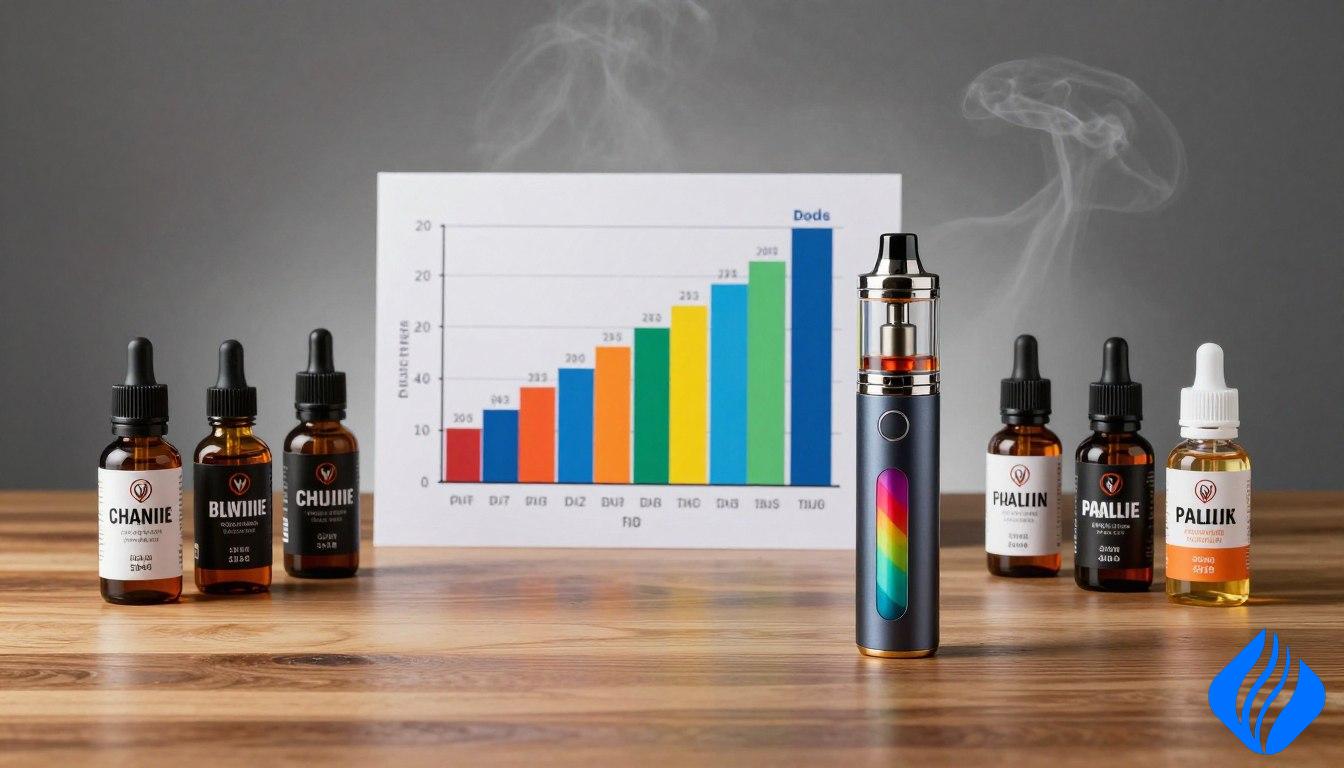
If you want to find the cheapest way to get nicotine or CBD, you shouldn’t just browse different websites manually. You need a comparison tool. Relying on a single retailer is an easy way to waste money, especially in a market where prices shift constantly and supply chains are all over the place.
The Fragmentation of the Vaping Marketplace
The vaping industry isn’t like a grocery chain where prices stay the same from aisle to aisle. Instead, it’s a messy mix of independent boutiques, massive online wholesalers, and niche distributors all fighting for the same customers. This creates huge price gaps for the exact same 60ml bottle of e-liquid or the same pack of replacement pods.
You might buy a 10mg nicotine salt pod at a local shop and pay a premium just because the shop has higher rent and slower turnover. An online warehouse could move that same pod for 30% less because they rely on high volume. Walking into a shop without checking digital prices first is essentially paying a “convenience tax.”
A local shop might have a “sale” sign up, but that doesn’t mean you’re getting a deal. You have to look at the math. If a shop offers a 2-for-1 deal on coils but their base price is 15% higher than the market average, the deal is an illusion. It’s just a way to make you spend more while feeling like you’re saving.
This is why digital comparison tools exist. They do the heavy lifting by aggregating data from hundreds of vendors to give you one source of truth. It’s much faster than calling twenty different shops to ask about a specific Mod.
Navigating the Data Aggregators
Not all comparison engines are created equal. Their usefulness depends on how they get their info. Some sites use automated merchant feeds from the shops. These are easy to run but often outdated; a shop might run out of stock but forget to update the feed. Others check things manually, which takes more work but is much more accurate for you.
For example, https://vaposearch.com/ claims to check shops themselves to make sure prices are real and not just cached data from last week. They track 26 different vape shops for pods, mods, e-liquids, and CBD. This manual approach stops you from clicking a “low price” link only to find out the product is out of stock or the price jumps at checkout.
Some people need more than just the lowest price. They need specific technical specs. You might have a collection of high-end mods and only need to find one specific type of replacement glass that isn’t listed on the big retail sites.
With so many options out there, browsing manually is a nightmare for hobbyists. Here is how different tools handle the problem:
| Service Type | Primary Strength | Best For |
| Spec-Heavy Search | Filtering by battery, wattage, or tank size | Technical enthusiasts and modders |
| Global Aggregators | International shipping and multi-country pricing | Expat vapers or international collectors |
| Deal Hunters | Focusing on massive discounts and bundles | Budget-conscious daily users |
The Technical Side of the Search
When you start looking at hardware instead of just liquids, things get complicated. You aren’t just looking for a cheap price; you need a specific configuration that actually works with what you already own. A pod system might look like another one on the shelf, but the internal resistance or battery capacity could be different, making one a much better long-term choice.
Tools like VapeMatcher exist to handle these details. They let you filter through 600+ devices based on wattage, battery life, or tank size. It turns a guessing game into a technical process. It’s a big jump from just looking at a photo of a plastic device and hoping it fits your hand or lasts through the afternoon.
If you’ve been vaping for a while, you know the “perfect” device changes. One month you want a heavy, high-wattage mod, and the next you want a tiny pod for your commute. Because your habits change, you need a search engine that can keep up with the constant release of new manufacturers and chipsets.
You also have to consider the cost of consumables. A cheap device that uses expensive, proprietary coils is a bad financial decision. A comparison tool helps you see the “total cost of ownership” by showing you what refills will cost over six months, rather than just the initial price of the kit.
Global Scale and the Hidden Costs
If you live somewhere with limited stock or high taxes, the internet expands your options. You might find a brand from Europe or Asia that isn’t in your local shops, which brings in new complexities like shipping and customs. The sticker price isn’t the whole story; you have to consider what it actually costs to get the item to your door.
A tool like VapoChecker handles this by tracking 270+ shops across 50+ countries. This is helpful if you want a specific vaporizer model that might be banned or hard to find in your area. Just remember that comparing prices across borders means navigating different tax laws and shipping fees. A “great deal” can become an expensive mistake if you aren’t careful.
The scale of these databases is massive. Some search engines have hundreds of thousands of products from the biggest manufacturers. They act as a searchable index for the whole industry, letting you skip the marketing and see the actual market value of a product at any moment.
Using these tools requires a little skepticism. Look for sites that update daily so you aren’t looking at stale data. A good engine should be a living thing, constantly pulling in new stock and adjusting for sales cycles.
Maximizing Your Savings Strategy
To actually save money, you have to change how you shop. Most people shop reactively: they run out of juice, go to the nearest shop, and pay whatever is on the tag. To be efficient, you have to be proactive. Monitor price trends and buy in bulk when you see a significant dip in the price of your preferred e-liquid.
There are a few ways to approach this depending on what you need:
- The Stockpile Method: Use a tool like VapeDeal360 to find big discounts on e-liquids and buy enough to last six months.
- The Tech Upgrade: Use spec filters to make sure a new device works with your current coils before you buy it.
- The International Hunt: Use global checkers to find hardware that isn’t available through local shops.
Think about a 500mg CBD tincture. You might find it for $25 at a local boutique, but a quick search could show an online vendor selling it for $18, or another offering a “buy two, get one free” deal that drops the price to $12 per unit. That adds up quickly over a year.
The goal is to take the emotion out of it. You aren’t buying a lifestyle; you’re buying a consumable or a piece of hardware. Once you treat it like a commodity, the value of comparison tools becomes obvious. It’s about math and avoiding the markup that comes with physical retail convenience.
Most people don’t use these tools because they think it takes too much effort, but five minutes of searching is almost always worth the money you save on your first order. If you want to go deeper, https://vaposearch.com/ is a solid place to start.